
Snacks for Stable Blood Sugar
Discover how strategic snacking throughout the day helps maintain consistent energy levels, supports metabolic function, and contributes to overall health and wellbeing. Our editorial team explores the science, selection criteria, and practical approaches to choosing snacks that work with your body's natural rhythms.
The information on this site is for educational purposes only and does not constitute medical advice. Always consult a qualified healthcare professional before making health decisions.
Why Stable Blood Sugar Matters
Sustained Energy Levels
Balanced snacking prevents the energy crashes that occur when blood sugar drops rapidly. By eating nutrient-dense snacks spaced throughout the day, you maintain consistent mental clarity and physical performance without relying on caffeine or sugar spikes.
Metabolic Function Support
Regular, moderate snacking keeps your metabolism active throughout the day. This approach supports natural calorie utilization and helps your body maintain efficient nutrient processing without extreme hunger or overeating at main meals.
Mental Clarity & Focus
The brain relies on steady glucose levels for optimal function. Strategic snacking prevents concentration lapses and mood swings that come with blood sugar instability, enabling you to stay productive and mentally sharp throughout your day.
Nutrient Absorption
Eating smaller, frequent snacks distributes micronutrient intake evenly throughout the day, optimizing absorption. This approach maximizes the benefits of the vitamins, minerals, and antioxidants your body needs for optimal function.
Appetite Regulation
Balanced snacks containing protein and fiber help suppress excessive hunger signals. This natural appetite management makes it easier to make mindful food choices at main meals and reduces cravings for highly processed foods.
Long-Term Lifestyle Support
Establishing consistent snacking patterns creates a sustainable approach to nutrition. This habit-based method is easier to maintain long-term compared to restrictive dieting, supporting your overall health and wellbeing goals.
The Four Pillars of Smart Snacking
Choosing snacks that support stable blood sugar requires understanding four fundamental principles. These guidelines help you evaluate any food option and build a snacking strategy aligned with your body's natural rhythms.
Protein & Fiber Balance
Snacks combining protein with dietary fiber slow glucose absorption. This combination keeps you satisfied longer and prevents rapid blood sugar fluctuations.
Timing & Frequency
Eating every 2-4 hours maintains steady energy. This prevents the extreme hunger that leads to overeating and keeps your metabolism active throughout the day.
Whole Food Priority
Unprocessed and minimally processed foods provide stable glucose release. Whole grains, nuts, legumes, and fresh produce offer superior nutrient density compared to refined alternatives.
Individual Response Awareness
Each person's body responds uniquely to different foods. Learning which snacks make you feel energized and which cause crashes is essential for personalizing your approach.
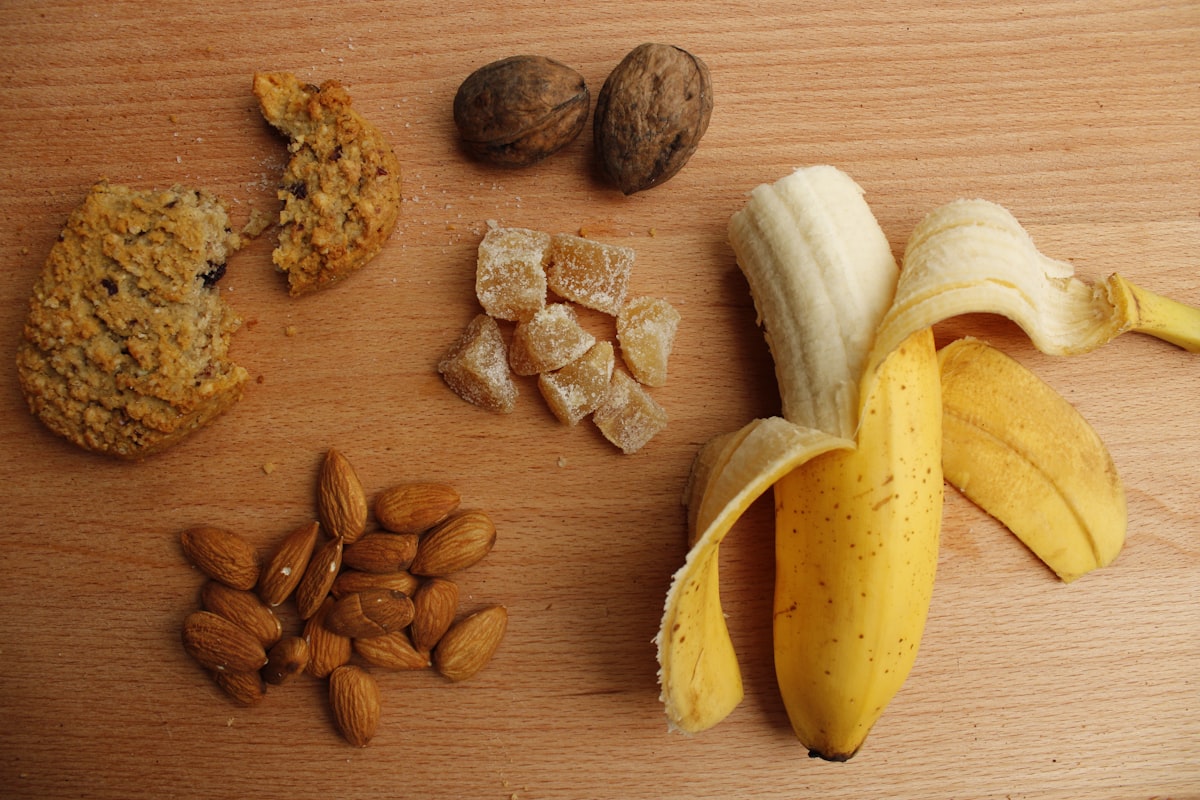
Essential Snack Categories
Understanding different snack categories helps you build variety into your daily eating pattern. Each category offers unique nutritional benefits and keeps your palate engaged.
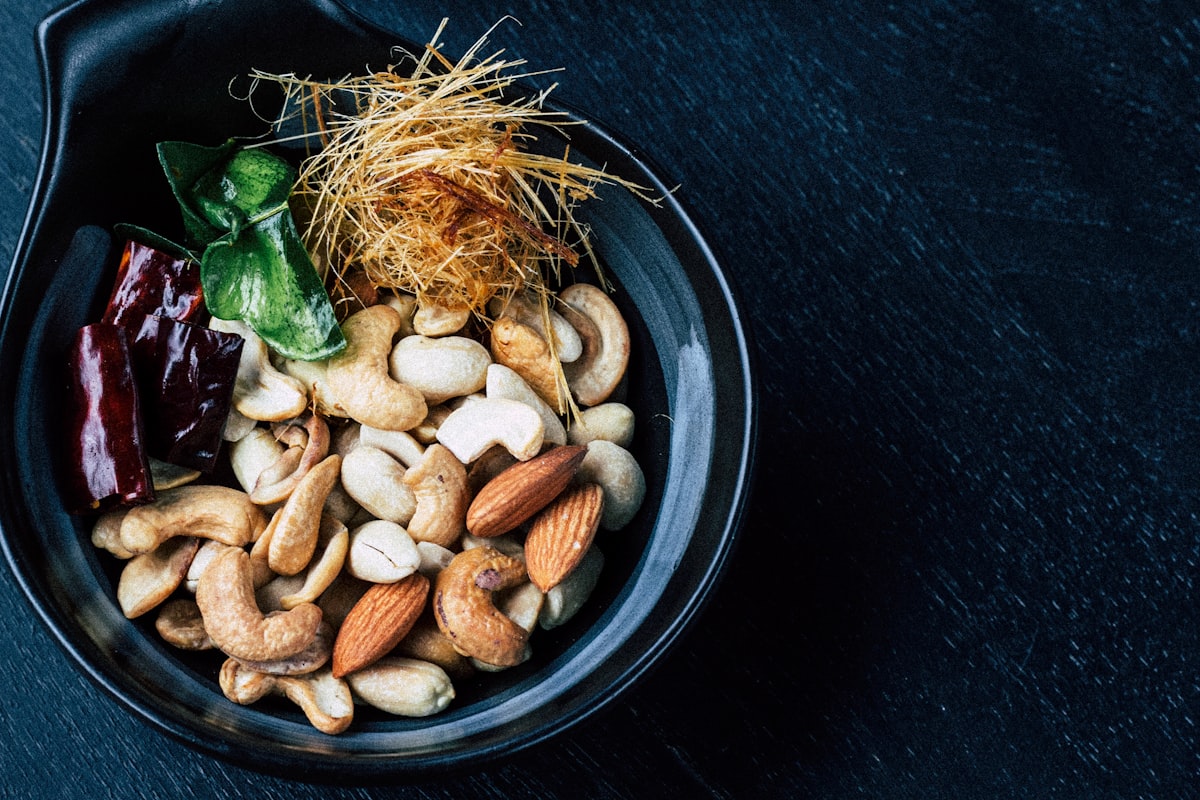
Protein-Based Snacks
Greek yogurt, nuts, cheese, and legume-based options provide essential amino acids and sustained fullness. These snacks are particularly effective at moderating glucose response.
Explore recipes →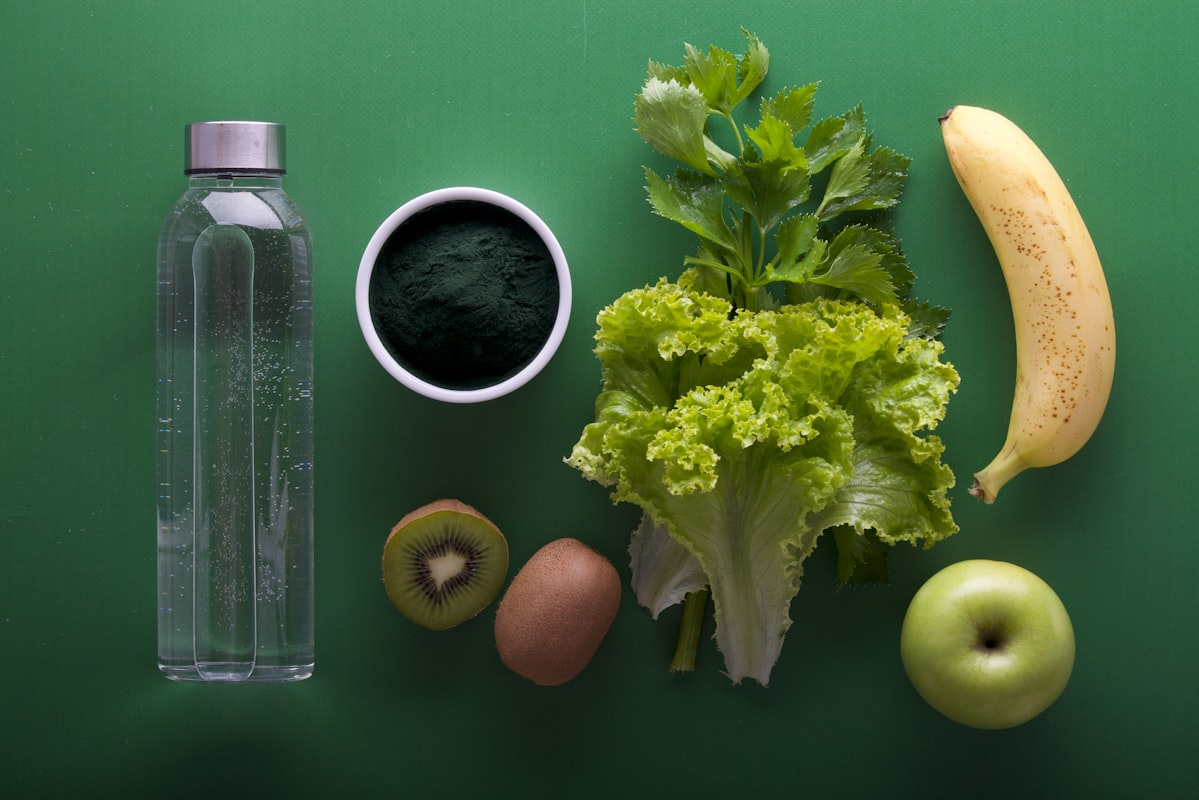
Whole Grain Options
Oats, whole grain crackers, and seeds deliver complex carbohydrates with sustained energy release. Their fiber content supports digestive health and steady glucose levels throughout your day.
Explore recipes →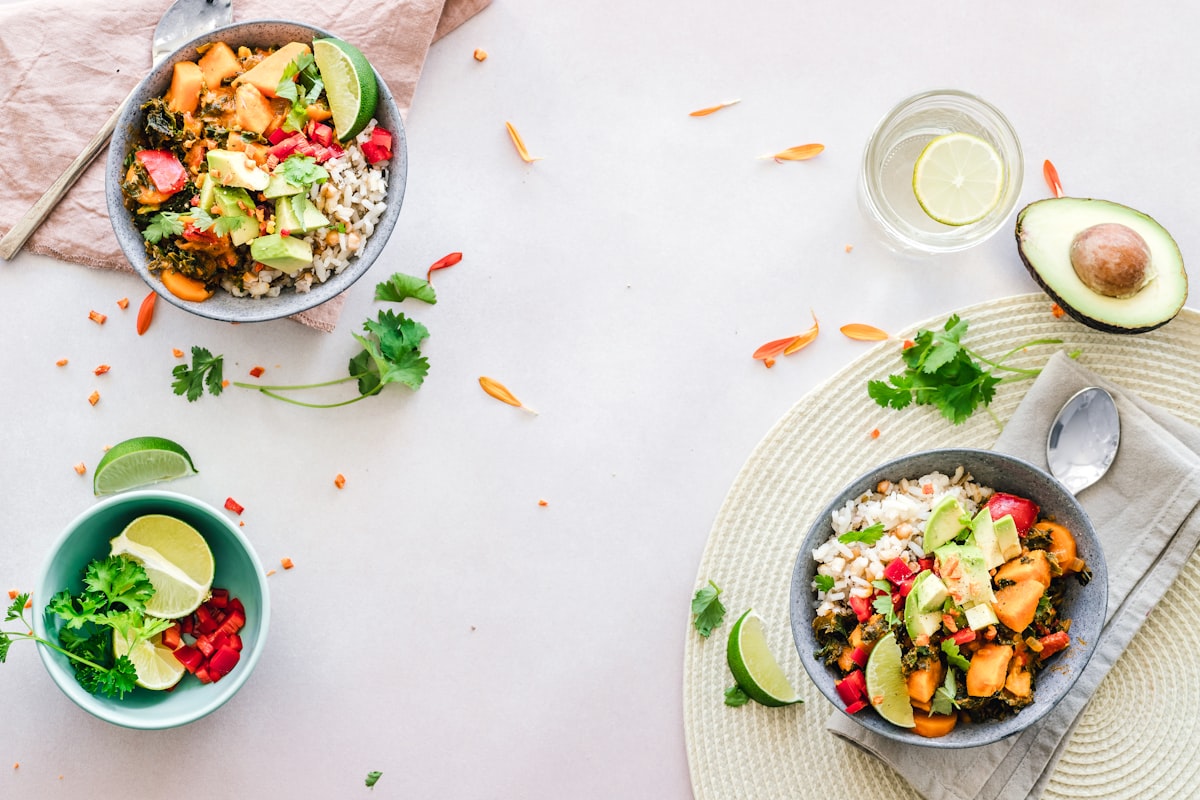
Fresh Produce
Raw vegetables, berries, and specific fruits offer vitamins, minerals, and natural hydration. When paired with protein, they create ideal blood sugar-supporting snack combinations.
Explore recipes →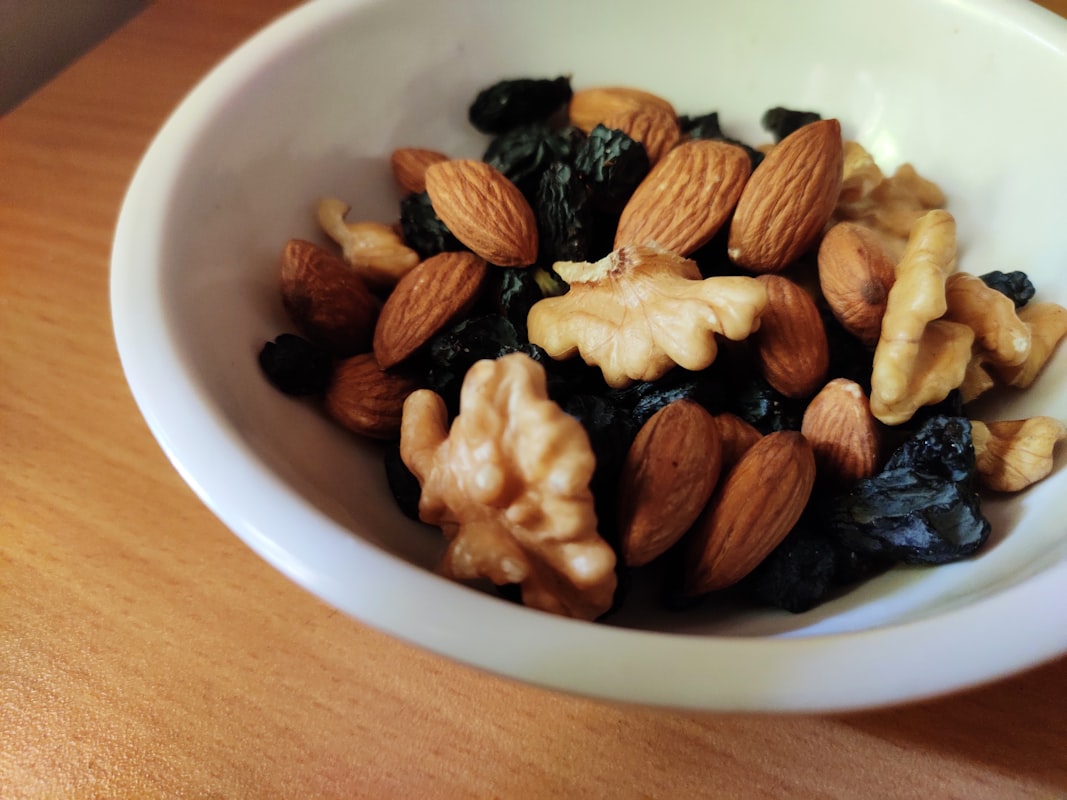
Healthy Fat Sources
Avocados, nuts, seeds, and plant-based oils provide satiety and support nutrient absorption. Healthy fats slow digestion and help maintain stable energy without blood sugar spikes.
Explore recipes →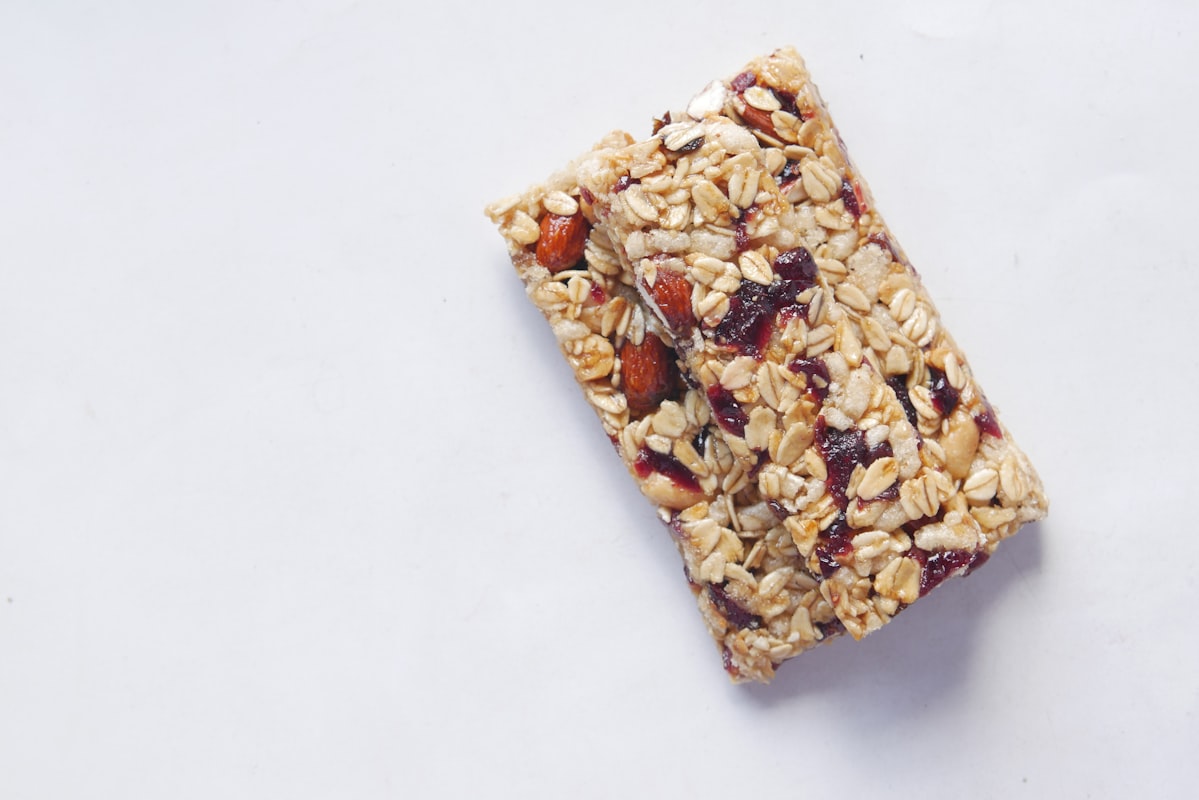
Strategic Combinations
Pairing different food groups creates optimal snacking solutions. Whole grain crackers with cheese, fruit with nuts, or vegetables with hummus exemplify synergistic nutrient combinations.
Explore recipes →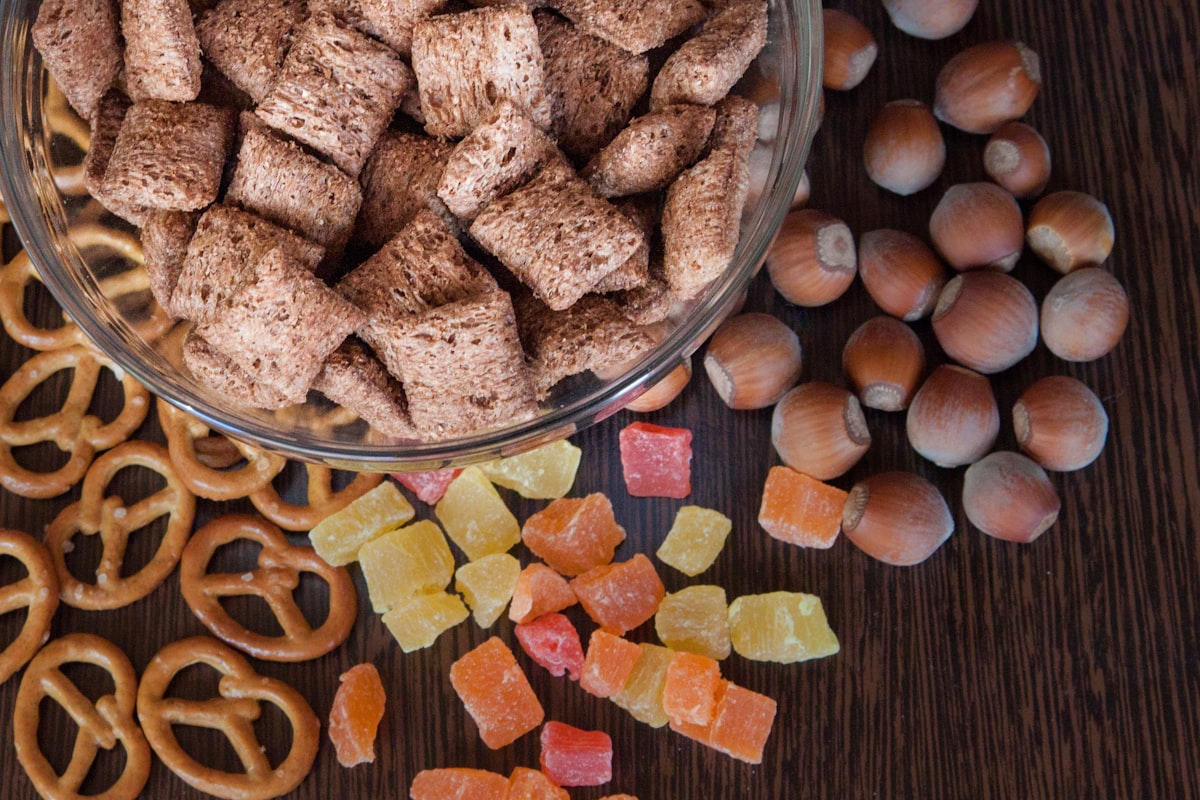
Homemade Alternatives
Making your own snacks gives you complete control over ingredients and sugar content. Energy balls, homemade granola, and vegetable-based dips ensure exactly what you want in every bite.
Explore recipes →The Snack Selection Process
Assess Your Needs
Consider your daily activity level, meal timing, and any personal preferences. Are you looking for sustained energy before a workout, a mid-afternoon pick-me-up, or a before-bed option? Your snacking purpose shapes ideal choices.
Check the Fundamentals
Evaluate each snack option for protein content, fiber quality, and added sugars. Use nutrition labels to compare options. Aim for snacks with at least 3-5 grams of protein and 2+ grams of fiber in typical serving sizes.
Test & Adjust
Try different snacks and notice how each one affects your energy, focus, and hunger levels. Pay attention to timing — some people thrive on every 3 hours, others prefer 4-hour intervals. Your body will guide you to optimal patterns.
Frequently Asked Questions
How often should I eat snacks throughout the day?
Most people benefit from eating every 2-4 hours depending on activity level and meal size. This means 2-3 snacks for a typical day. However, individual needs vary — some people feel best with snacks every 3 hours, while others prefer 4-hour intervals. Track your energy patterns to find your personal rhythm.
What's the ideal snack size?
Aim for 150-200 calories per snack as a general guideline. This amount is substantial enough to stabilize energy without significantly impacting your overall calorie intake. Snacks should satisfy hunger without making you feel overly full before your next meal.
Can I snack after dinner or before bed?
Yes, if timed appropriately. A light snack 1-2 hours before bed containing complex carbs and protein can prevent nighttime blood sugar dips. However, avoid heavy snacks close to bedtime, as digestion may interfere with sleep quality. Consider options like a small handful of nuts or Greek yogurt.
Are dried fruits good snack options?
Dried fruits contain concentrated natural sugars, so they're best paired with protein to moderate glucose response. A small portion of dried fruit with nuts, cheese, or seeds works well. Pure dried fruit on its own causes rapid blood sugar spikes, so balance is important.
What about beverages — can I drink while snacking?
Water is ideal with all snacks. Sugary drinks create rapid glucose spikes, while even unsweetened fruit juice concentrates natural sugars. Herbal tea or unsweetened beverages complement snacking perfectly. Coffee can be enjoyed, though monitor caffeine timing to avoid sleep interference.
How do I prevent snacking from becoming mindless eating?
Plan snacks in advance and prepare portions ahead of time. Sit down to eat rather than eating while working or distracted. Pay attention to hunger and fullness cues. Keep healthy options visible and remove tempting processed foods from easy reach. Mindful snacking means intentional choices, not automatic reach-for habits.
Dive Deeper Into Blood Sugar Topics
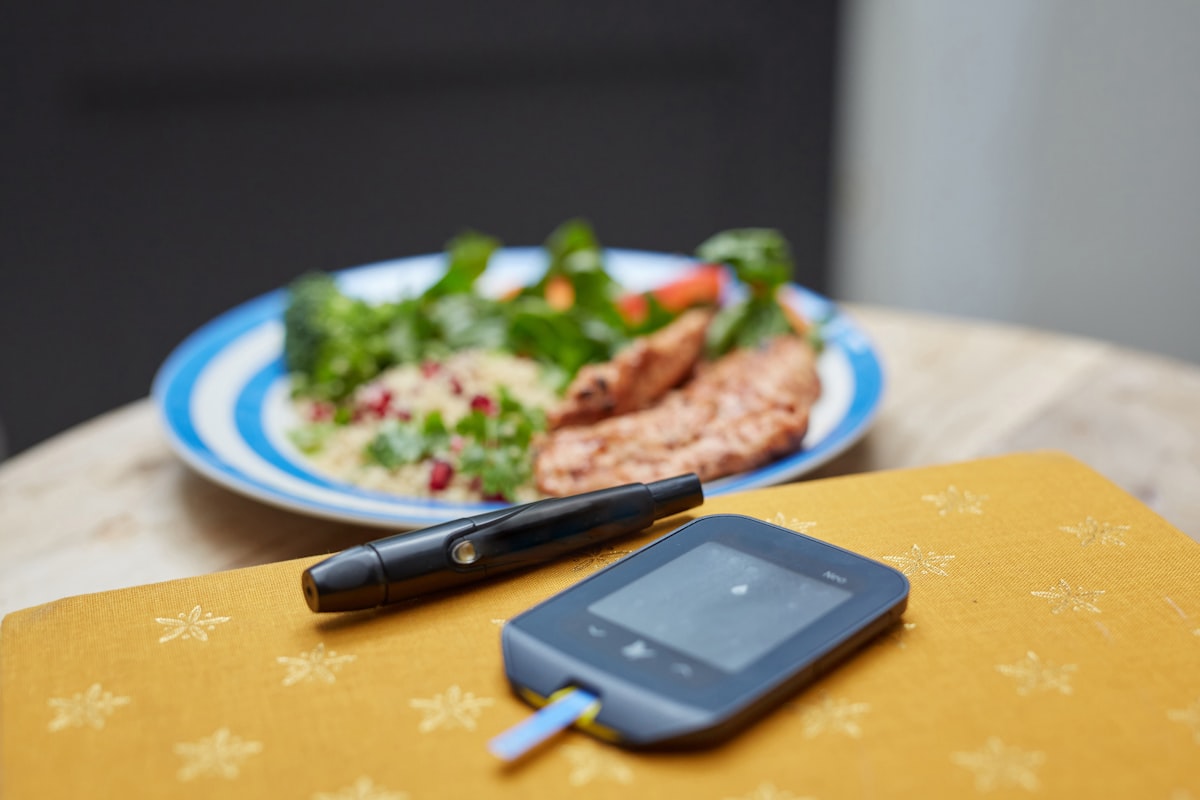
Complete Blood Sugar Guide
Our comprehensive guide explores the science behind blood sugar regulation, how your body processes different nutrients, and practical strategies for maintaining stable levels throughout your day.
Read the full guide →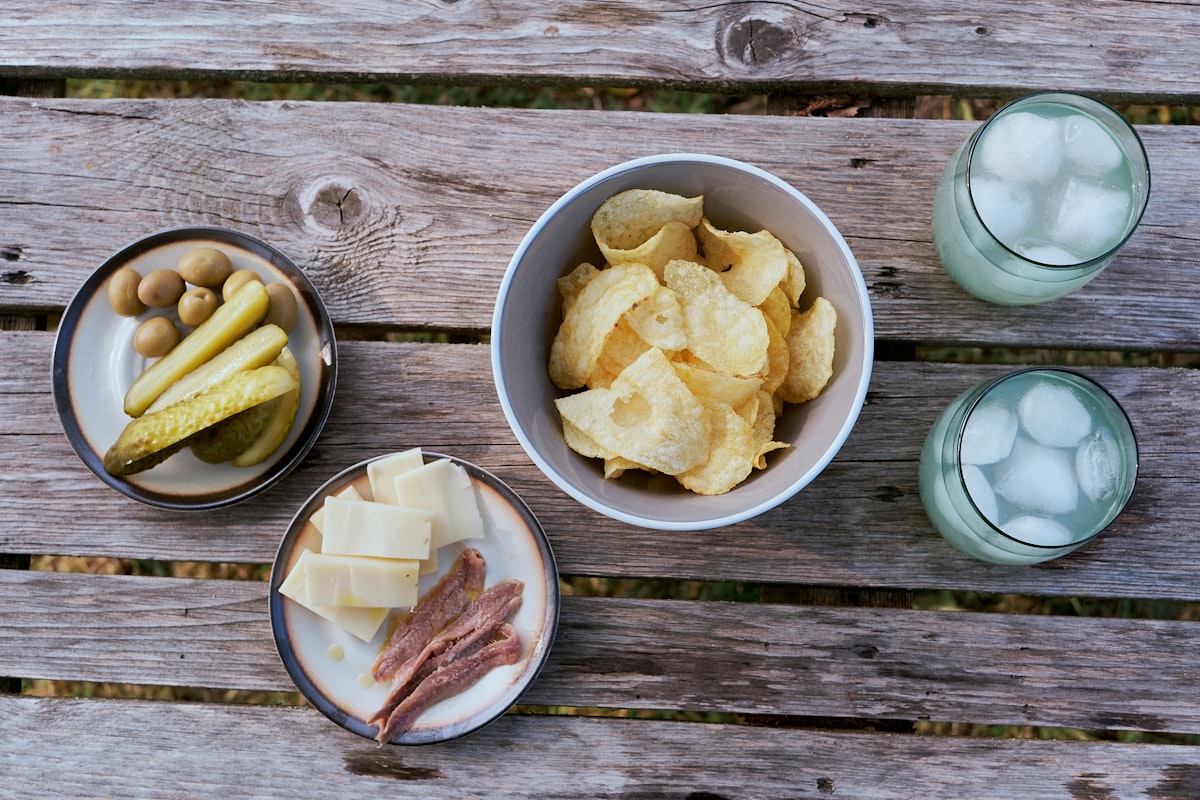
Easy Snack Recipes
Discover proven recipes combining protein, fiber, and nutrients in balanced proportions. From no-bake energy balls to savory combinations, find snack ideas you actually want to eat every day.
Browse recipes →Reader Experiences
"I finally understand why I was crashing mid-afternoon. Once I started pairing snacks with protein and fiber, my energy stabilized completely. The snack selection process outlined here gave me the confidence to make better choices every day."
Markéta Prague | Nutritionist, Prague
"The variety of snack categories has transformed how I approach daily eating. I no longer feel limited or bored. This comprehensive approach made it easy to apply the principles to my own lifestyle without any guesswork."
Jana Brno | Health Coach, Brno
"What impressed me most was the honest discussion about individual variation. No one-size-fits-all approach, just clear principles to help me experiment and find what works for my body. The FAQ section answered every question I had."
Tomáš Ostrava | Fitness Professional, Ostrava
Ready to Master Your Snacking Strategy?
Explore our complete collection of articles, guides, and recipes designed to help you understand blood sugar stability and implement practical strategies into your daily life. Our editorial team is here to support your journey toward consistent energy and wellbeing.
For content feedback or editorial inquiries, please contact our team at [email protected]
Frequently Asked Questions
Find answers to common questions about managing sugar intake and building healthier eating habits.
How much sugar should I consume daily?
The American Heart Association recommends limiting added sugars to 6 teaspoons (25g) per day for women and 9 teaspoons (36g) for men. Children should consume even less. Our personalized plans help you stay within these guidelines while enjoying satisfying foods.
Are natural sugars healthier than refined sugar?
While natural sugars from fruits contain fiber and nutrients, they still impact blood sugar levels. Our approach focuses on the total sugar content and glycemic index rather than labeling sugars as "good" or "bad."
What are the health benefits of reducing sugar intake?
Reducing sugar intake can improve energy levels, support weight management, reduce risk of type 2 diabetes, decrease inflammation, improve dental health, and enhance mental clarity. Most people notice benefits within 2-3 weeks.
Can I use artificial sweeteners as alternatives?
Artificial sweeteners have zero calories but may maintain sweet cravings. We recommend using them sparingly and focusing on naturally satisfying flavors. Our recipes guide you toward better alternatives like fresh fruit and whole foods.
How do I help my children eat less sugar?
Start by reducing sugary drinks, packed snacks, and desserts gradually. Involve children in meal prep, provide whole-food snacks, and model healthy choices. Our family-friendly recipes make the transition enjoyable for all ages.
How long until I see results?
Many people experience improved energy and reduced cravings within 1-2 weeks. Weight loss and other measurable health improvements typically follow within 4-6 weeks. Consistency is key to achieving lasting results.
Ready to Take Control of Your Sugar Intake?
Join thousands of people who have successfully reduced their sugar consumption and transformed their health. Our expert nutritionists are ready to help you create a sustainable plan tailored to your lifestyle.
Your health information is secure and private. No spam, just helpful guidance.
Nutritionist Sugar Help Pro
Empowering individuals to make informed nutritional choices and reduce sugar dependence for better health outcomes.
© 2024 Nutritionist Sugar Help Pro – IČO: 22138710. All rights reserved.
Contact: [email protected]